Buying guides14 Nov 2026
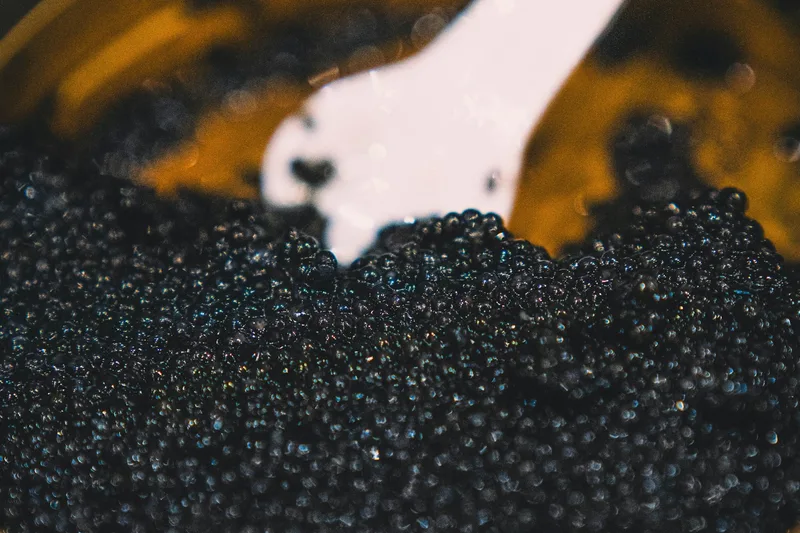
Caviar: How to Choose, Store and Serve ItBeluga, Oscietra, Siberian, white sturgeon, sterlet and hybrids: how the main caviars differ, how much to buy, and how to keep and serve it.
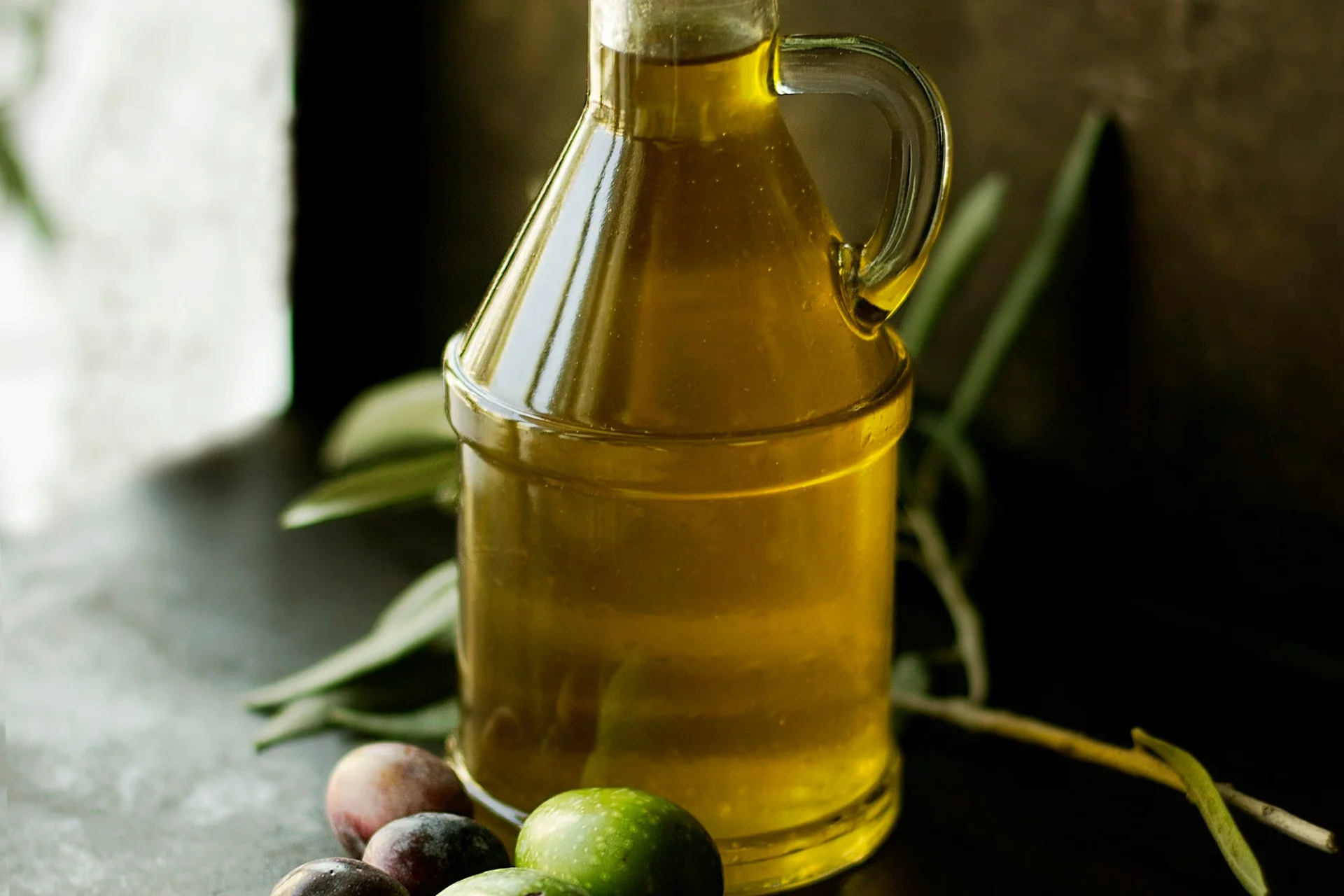
Intense, medium or delicate: what the words on an olive oil label mean, which oil suits which dish, and how to keep it fresh once opened.
Extra virgin olive oil is the top grade of olive oil. It is extracted from fresh olives by mechanical means alone, without heat or solvents, and has to pass a tasting panel with no defects. That still leaves a wide range of flavours, from soft and buttery to green and peppery. Here is how to choose.
Like grapes in wine, the olive variety shapes the taste. Our Roccia oils come from Ascoli Satriano in Puglia, southern Italy, and each is made from a single variety:
A useful rule: strong with strong, delicate with delicate.
For frying and everyday cooking, a larger bottle such as Garcia's Mill extra virgin olive oil from Spain, in 3 litres, makes sense. Keep the single-variety oils for finishing a dish.
A peppery catch at the back of the throat and a little bitterness are typical of oil pressed from fresh, less ripe olives, and they soften as an oil ages. An oil that tastes of nothing, or of wax or vinegar, is old or faulty.
Light, heat and air are what age an olive oil. Keep the bottle closed, out of the sun and away from the hob, and finish an opened bottle within two to three months. In a warm UAE kitchen, a cupboard away from the oven matters more than anywhere. There is no need to refrigerate it: cold makes oil cloudy and thick, which is harmless but awkward.
Browse all our Heritage Extra Virgin Oils.
More from the same corner of the catalogue.